Classical music
Paolo Caamaño H
2/18/20263 min read
Classical music is what I consider the best genre for studying, thanks to its complete lack of lyrics and complete focus on instrumental. Another factor that greatly improves concentration, is its frequent focus on slower, longer songs, as it is easier to concentrate on what you are studying, if you reduce the need to go looking for songs at all times. (Try to always use playlists)
What most people tend to forget, is the surprising amount of brain areas it activates, compared to other louder genres.
The most affected areas of the brain are:
Prefrontal Cortex: Used for focus and planning. Located in the very front of the brain, directly behind the forehead.
The Hippocampus: Area used for memory located in both the left and right hemispheres (sides) of the brain.
And finally. The Amygdala, which is used for processing emotional reactions related to the reward system of the body.
Now, a list of songs that you could listen when you try to study:
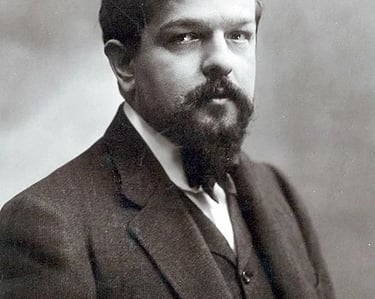
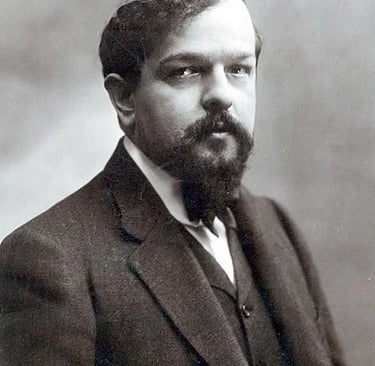
1.Claire de lune (Claude debussy, 1905) A calm piano with smooth and slow tempo, that create a relaxing auditory environment. Studies have shown that slow and predictable music reduces stress, which is perfect for studying
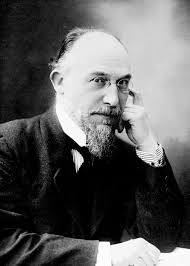
2. Gymnopédie No. 1 (Erik Satie, 1888) Slow tempo and repetitive structure, reduces distraction while activating auditory and emotional brain areas.
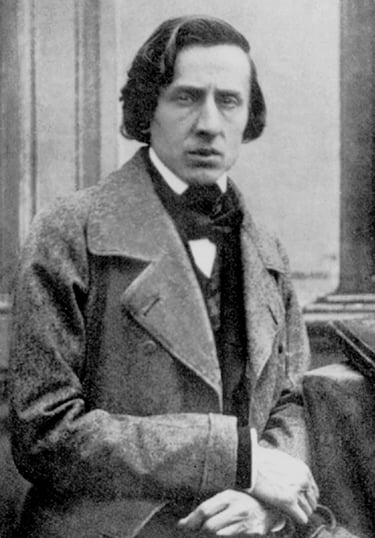
3. Nocturne Op. 9 No. 2 (Frédéric Chopin, 1832) Chopin's nocturnes feature expressive melodies with a gentle accompaniment, which provide moderate emotional stimulation that activates the brain's reward system, Increasing motivation while studying.
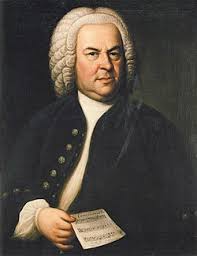
4. Brandenburg Concerto No. 3 (Johann Sebastian Bach, 1721) Baroque music, Bach's concertos often have tempos close to the resting heart rate, which is about 60-80 BPM (Beats per minute).
Some studies have shown that this range supports concentration.
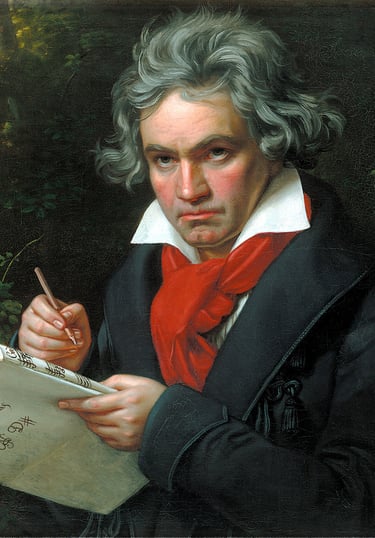
5. Moonlight Sonata, First Movement (Ludwig Van Beethoven, 1801) A constant rhythmic pattern that repeats throughout the piece which helps a lot with concentration.
6. Canon in D (Johann Pachelbel, 1680) A piece built on a repeating chord progression known as a harmonic loop, which helps the brain enter what's called "Flow State", where attention becomes sustained and distractions decrease.
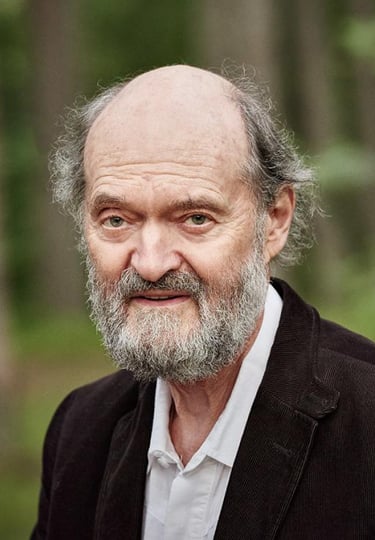
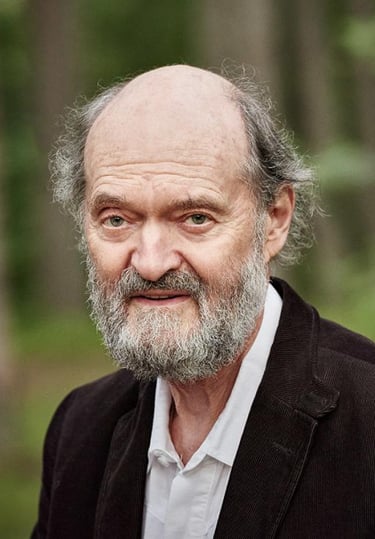
7. Spiegel im Spiegel (Arvo Pärt, 1978) A more modern piece that uses extremely slow tempo and simple harmonic movements, which reduces sensory overload and helps the brain use less resources, and improve cognitive tasks.
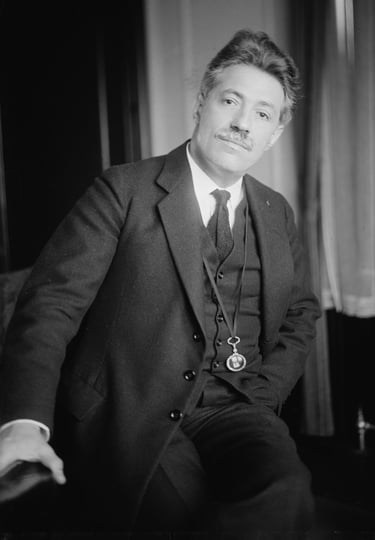
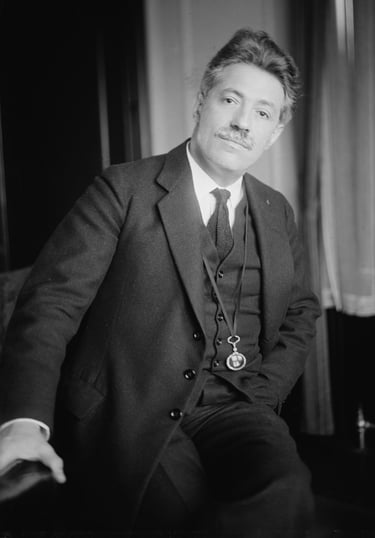
8. Liebeslied, Love's Sorrow- (Fritz Kreisler, 1905) This one is slightly more fast-paced, but you should listen specifically to
Sergei Rachmaninoff's version, as it focuses more on piano.
Connect
Questions, feedback, or stories? Reach out!
© 2025. All rights reserved.